
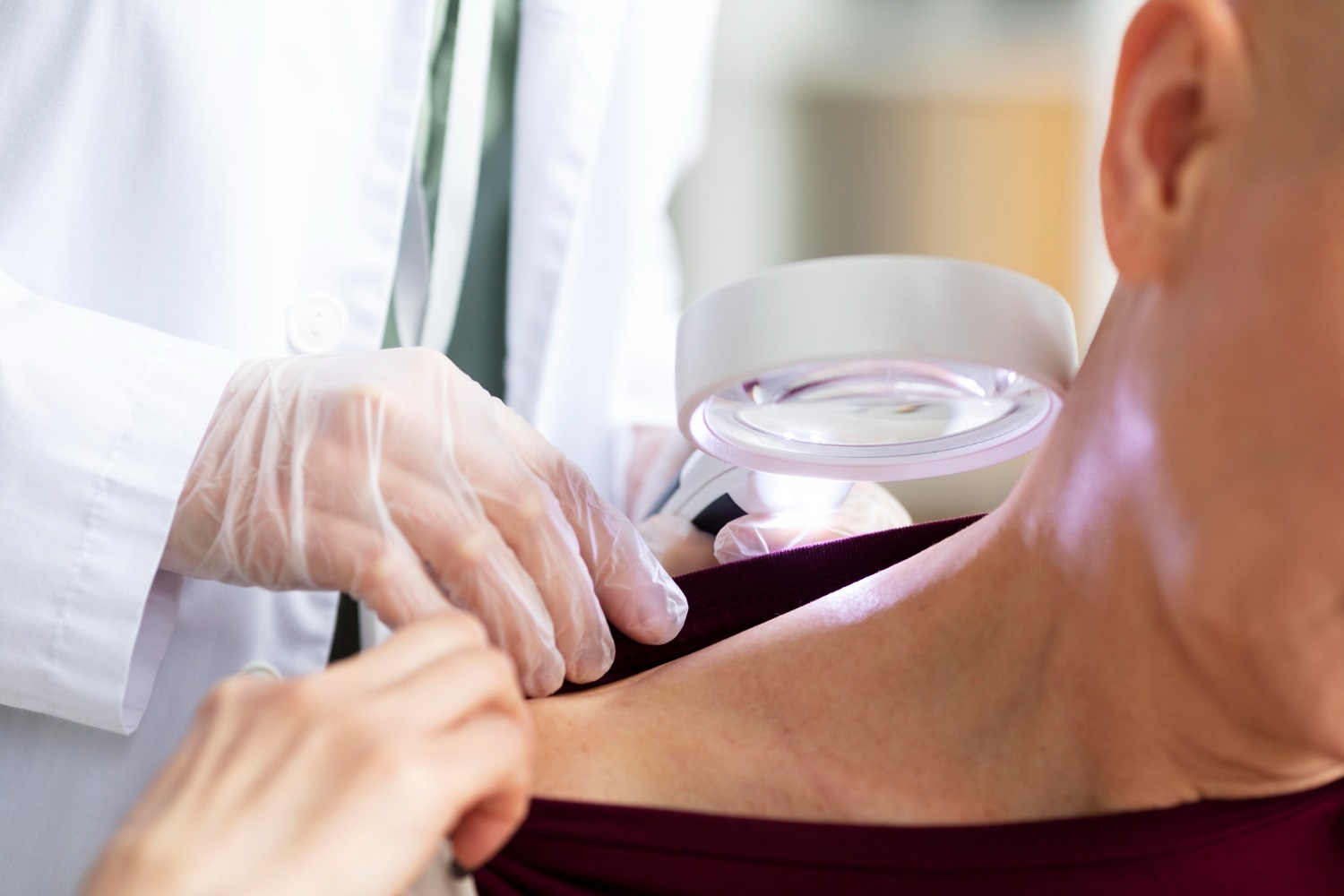
From evaluating a suspicious spot to treating a confirmed skin cancer, Aesthetix Dermatology provides personalized care designed around the type, location and characteristics of each lesion.
Skin cancer treatment is not one-size-fits-all. The appropriate approach depends on the type of skin cancer, its size and location, pathology findings and the individual patient.
Basal Cell Carcinoma
Basal cell carcinoma is the most common type of skin cancer and frequently develops on areas of the skin that receive significant sun exposure.
Squamous Cell Carcinoma
Squamous cell carcinoma can develop from abnormal skin cells and may appear as a persistent, scaly, crusted or non-healing lesion.
Melanoma
Melanoma is a more serious form of skin cancer that can develop within an existing mole or appear as a new pigmented lesion.
Actinic Keratoses
Actinic keratoses are rough or scaly areas of sun-damaged skin that may be considered precancerous and should be evaluated appropriately.

Mohs surgery is a specialized technique used to remove certain skin cancers while carefully examining the edges of the removed tissue.
The procedure is performed in stages, allowing the physician to continue removing tissue only where cancer cells remain. This approach can help preserve as much healthy surrounding tissue as possible.
Remove the Visible Cancer
A thin layer of tissue is carefully removed.
Examine the Tissue
The margins are evaluated under a microscope.
Identify Any Remaining Cancer
If cancer cells remain, their exact location is identified.
Continue Only Where Needed
Additional tissue is removed only from areas where cancer remains.
Mohs Surgery
A specialized surgical technique commonly used for certain skin cancers in areas where preserving healthy tissue is particularly important.
Surgical Excision
Removal of a skin cancer along with an appropriate margin of surrounding tissue.
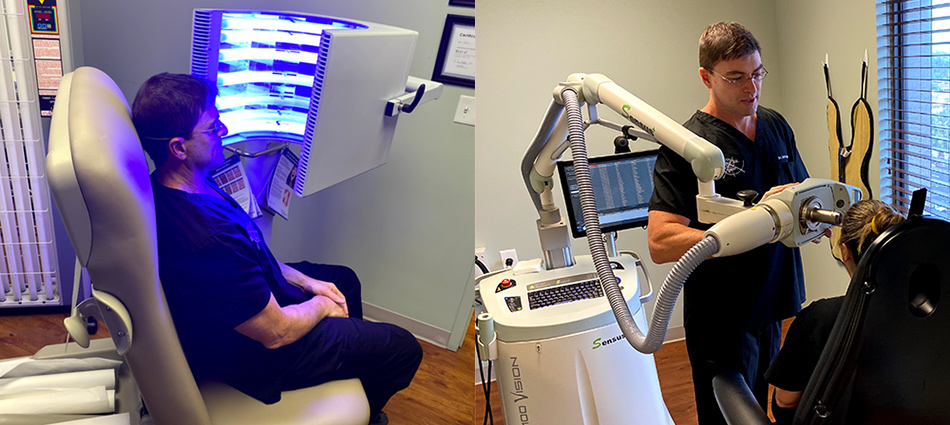
Superficial Radiation Therapy
A non-surgical treatment option that may be appropriate for certain patients and certain types of skin cancer.
Photodynamic Therapy
A light-based treatment that may be used for selected precancerous or sun-damaged areas.
At Aesthetix Dermatology of Fort Lauderdale, we believe healthy skin reflects your overall well-being. Our team combines evidence-based medicine with personalized care to create treatment plans tailored to your unique goals.
Whether you’re seeking medical dermatology, skin cancer treatment, or cosmetic enhancements, we focus on helping you look and feel your best through compassionate, patient-centered care.
“From my first appointment, the entire team made me feel comfortable and cared for. The treatment was explained clearly, and my results exceeded my expectations. I highly recommend Aesthetix Dermatology.”
“Dr. Chaplik and the staff are knowledgeable, professional, and genuinely caring. The office is welcoming, appointments are efficient, and I always feel confident in the care I receive.”
“I visited for both medical and cosmetic treatments, and the experience was outstanding. Everyone was friendly, attentive, and focused on achieving the best possible results. I’ll definitely return.”
Mohs surgery removes skin cancer in stages while examining the tissue margins during the procedure. Additional tissue is removed only from areas where cancer cells remain.
No. The appropriate treatment depends on the type, size, location and other characteristics of the skin cancer.
Our team can evaluate your concerns and help determine the appropriate next step.